Passaic County has no shortage of diners, and you probably have one where the staff knows your order. It is also one of the harder places to follow a conversation, with plates clattering and the booth behind you talking just as loud.
If you wear hearing aids, a lunch like that is often where you first notice something sounds off. Your friend across the table seems farther away than usual, or the whole room sounds a little hollow.

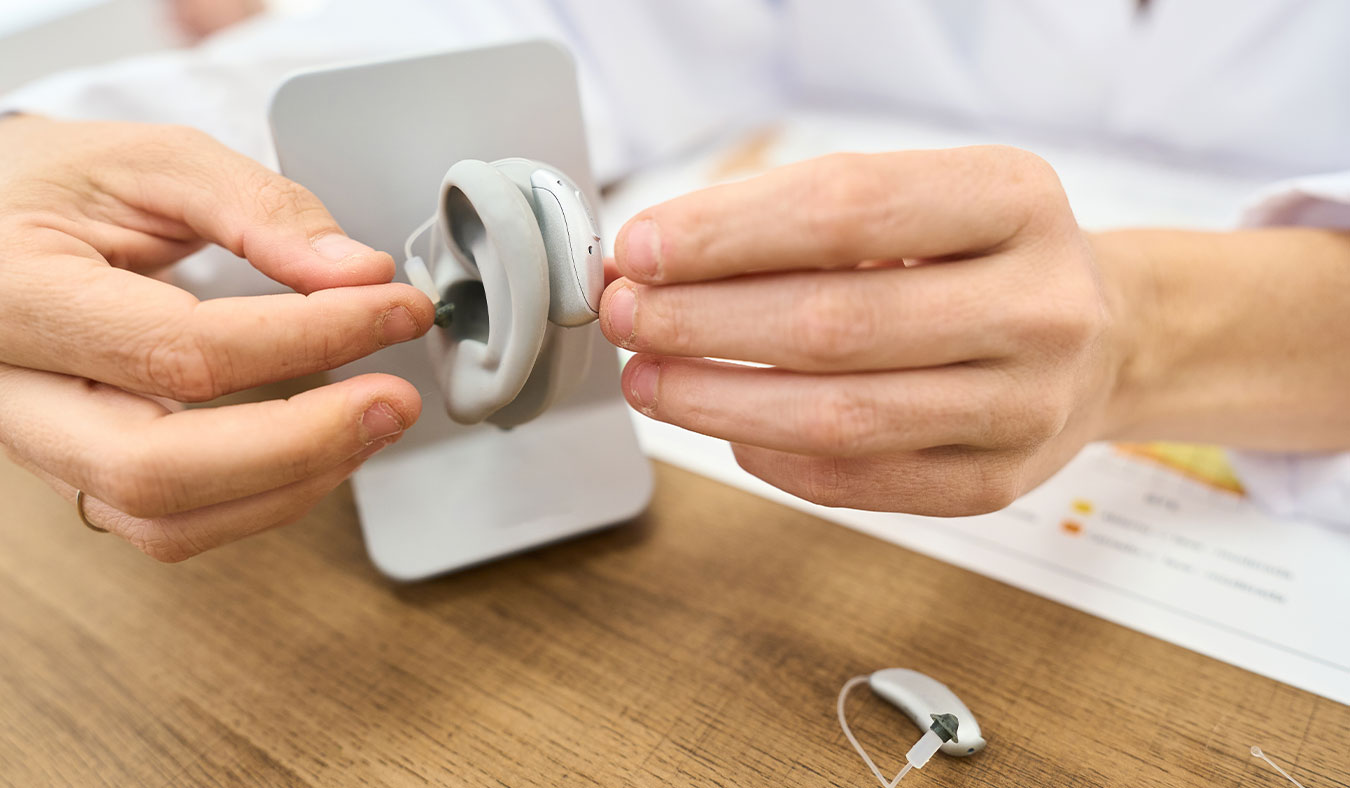
Those two problems can come from two different parts that sit right next to each other. The dome is the soft tip that rests in your ear canal, and the receiver is the tiny speaker it attaches to.

Because they work so closely together, it’s easy to blame one when the other is causing the trouble. That’s how people end up replacing a perfectly good part and walking out with the same problem.

Where Sound Goes Once It Reaches Your Hearing Aid

There’s a lot packed into something that small. The microphones grab the sound around you, the processor tweaks it and the receiver plays it into your ear. Whether it’s a battery you swap out or one you charge overnight, that’s what keeps it all going.

Most of this happens before you even realize it. Your friend says something, the microphones catch it and the processor shapes it around your hearing settings. Then the receiver turns all of that into the voice you actually hear.

This comes in handy when something starts sounding off. If a microphone is blocked, the problem is with what’s getting in, and if the receiver is acting up, it’s with what’s coming out. Thinking about it that way can help you narrow down where to look first.

Getting the Dome Fit Right

The dome sits right inside your ear canal, so you’ll feel it pretty fast if the fit is off. Too tight and your ear can start to ache after a few hours. Too loose and your hearing aid wiggles around every time you chew, talk or turn your head.

When it fits right, it stays put and you mostly forget it’s there. You shouldn’t be pushing it back in all day long. If it keeps slipping, rubbing or pressing on you, the size or shape probably isn’t quite right.

How it feels can also change as the day goes on. A dome that’s fine at breakfast might be bugging you by dinner if it’s been pressing on the same spot since morning. That’s why your audiologist checks how it sits in your ear, not just whether it feels okay on day one.

The Tiny Speaker Sitting in Your Ear

The receiver is basically a tiny speaker, and it’s the last stop before sound reaches you. After the processor does its thing, the receiver turns that signal into the sound you hear. On a lot of newer hearing aids, it sits right inside your ear canal.

That spot means it’s dealing with earwax, skin oils and moisture all day long. It doesn’t take much buildup near the opening to make one hearing aid sound quieter than the other. Plenty of times nothing is actually broken. The sound just can’t get out.

Most receivers have a little wax guard on the end to catch gunk before it gets inside. So if things suddenly sound dull or faint, check that filter before you assume the receiver is shot.

How Dome Styles Change the Way Hearing Aids Sound

Dome styles affect the way sound moves through your ear canal. Open domes allow more natural sound to enter, while closed and power domes hold more amplified sound inside. That difference changes how much bass you hear, how open your ear feels and how likely feedback is to happen.

Open domes often work well when lower-frequency hearing is still relatively strong. They leave more room for outside sound to mix with what the hearing aid provides. Closed domes create more of a seal, which helps the device hold onto lower-frequency amplification.

Power domes create the strongest seal of the three. They are often used when the hearing aid needs to deliver more sound without letting as much escape. Your audiologist chooses the style based on your hearing test, programming and how your own voice sounds with the dome in place.

Receiver Strength Depends on How Much Output You Need

Receivers also come in different power levels. The choice depends on how much sound the hearing aid needs to deliver, not simply on which receiver is largest. Someone with milder hearing loss usually needs less output than someone with more significant changes.

Standard receivers handle lower to moderate power needs without adding much bulk. Stronger receivers deliver more output for hearing losses that need additional amplification.

That extra power also affects the rest of the fitting. A stronger receiver often needs a more secure acoustic seal so amplified sound stays in the ear. Your audiologist matches the receiver, dome and programming together rather than treating them as separate choices.

When a Dome Starts Wearing Out

A dome does not stay exactly the same forever. Silicone gradually stretches, stiffens or loses its original shape as it is exposed to earwax, skin oils and daily wear. Once that happens, a dome that used to feel secure may start slipping or sitting differently.

Sound changes often show up at the same time. You might notice more whistling, weaker bass or a hearing aid that suddenly seems less steady in your ear. Those changes do not always mean anything is wrong with the electronics.

Look at the dome itself before assuming the hearing aid needs repair. A stretched edge, tear or hardened piece of silicone is usually a sign that it is time for a replacement. If the sound still seems off with a fresh dome, then the receiver or another part of the device deserves a closer look.

What Wax and Moisture Do Around the Receiver

The receiver spends most of the day in one of the warmest, most enclosed parts of the hearing aid. That puts it close to earwax, skin oils and perspiration before weather even enters the equation. In Passaic County, humid days add another source of moisture around the ear.

Wax often causes trouble gradually. It collects around the dome and wax guard, and eventually less sound gets through the receiver opening. You might turn up the volume without realizing the real problem is a blocked filter.

Moisture tends to be less predictable. Sound might fade, come back or seem distorted after exercise or time outside in muggy weather. Checking the receiver area after those situations gives you a better clue than assuming a volume issue means the hearing aid needs repair.

What to Check When Something Feels or Sounds Different

A dome or receiver problem does not always look dramatic. Often, the first clue is simply that one hearing aid no longer feels or sounds like the other. Looking at a few specific details can help narrow down what changed.

Check the dome and receiver area when you notice any of the following:

  • Whistling that starts after the dome shifts or feels loose
  • Sound that stays weak even after you raise the volume
  • A dome that keeps working its way out of your ear
  • Soreness that develops in the same spot each day
  • A wax guard that looks visibly blocked or discolored

Choosing a Dome and Receiver Is Part of the Fitting

A dome and receiver are not accessories you pick based on preference alone. They are part of how the hearing aid is programmed to deliver sound to your ear. Changing either one affects more than comfort.

Your audiologist looks at your hearing test, ear canal shape and the amount of amplification your hearing aids need. Measurements taken during the fitting also show how much sound is actually reaching your eardrum.

This becomes especially important if you are tempted to order a different size or style online. A dome that seems more comfortable could change the acoustic seal enough to alter the sound. A different receiver could change how much output the hearing aid delivers.

If the fit starts bothering you or the sound changes, bring the hearing aids in rather than experimenting with random parts. Your audiologist can tell whether the issue comes from the dome, receiver, programming or something else entirely.

Making the Right Choice for Your Hearing Aid Needs

Domes and receivers are small, but each one plays a different role in how your hearing aid sounds and feels. A worn or poorly fitting dome is usually a quick swap, while a receiver problem often needs a closer look. Getting the right answer the first time saves you a trip and a lot of second-guessing.

At Audiology & Hearing Aid Solutions in New Jersey, we can check both parts and figure out which one is behind the change you’re hearing.

That way your next diner lunch is about the conversation, not about what’s wrong with your hearing aids. Call (973) 777-5335 for our Clifton, Haskell, Morristown or Pompton Plains offices. For Mahwah or Paramus, call (201) 375-9081.