Fireworks over the Passaic River, a summer night at a street festival in one of North Jersey’s town centers, the noise never comes in one blast. It builds, music, crowd noise, vendors, then fireworks stacked on top of it all.
You leave with your ears ringing a little, maybe some muffled hearing that clears by morning. Most people brush it off since nothing actually hurt.

You don’t think about your ears the next morning after a fireworks show. Why would you? Nothing hurt, nothing felt wrong, you just had a good night out. But your ears don’t forget it the way you do. A loud night at a festival, another one at a concert, fireworks a couple times every summer, it piles up more than you’d guess.

And most people never put it together. They just notice one day that the ringing is still there or conversations feel harder to follow. They may not be able to say exactly when it started.

What Loud Festival Noise Can Do Inside Your Ears

A summer festival can expose your ears to much more than loud music. Fireworks, amplified speakers, engines and sudden blasts can all create sound levels that put hearing at risk. The louder the noise, the less time your ears can safely handle it.

Inside the cochlea are sensory structures that help turn sound vibrations into signals your brain can understand. Excessive noise can damage these tiny structures and interfere with how clearly sound is processed. Once that damage becomes permanent, the inner ear cannot fully repair itself.

Different sounds can stress the ear in different ways. A concert may expose you to loud sound for hours, while a nearby firework delivers a powerful burst almost instantly. Both can be harmful, even though the exposure happens very differently.

Your ears may also give you warning signs after the event. Ringing, buzzing, muffled hearing or a feeling of fullness can mean the sound was too intense. Those symptoms may fade, but repeated exposure can make lasting changes more likely.

Why Fireworks Call for More Distance

Fireworks affect your ears differently than music. Instead of a steady stream of sound, they create sharp blasts that happen all at once. That sudden intensity can put a lot of stress on your hearing in a very short time.

Distance matters more than you might think. The closer you are to the launch site, the more intense the sound reaching your ears will be. Moving farther back can noticeably reduce that exposure.

Concerts play by different rules since the sound just keeps going. Stepping back from the speakers helps, sure, but time’s the real issue. Stand through hours of loud music and it adds up, even from the back of the crowd.

Helping Kids Handle Loud Summer Celebrations

Children can experience noise-induced hearing damage just like adults. The challenge is that younger children may not realize when an environment has become dangerously loud. They may also stay near exciting sounds instead of moving away on their own.

Parents can decide where the family will stand and how hearing protection will be handled before the noise begins. A few preparations can make that easier:

  • Bring properly fitting child-sized hearing protection and put it on before the loudest activities begin.
  • Watch fireworks from farther away instead of choosing a spot close to the launch area.
  • Build quieter breaks into long festivals, concerts or celebrations so children are not surrounded by intense sound for hours.

When Repeated Summer Noise Starts to Add Up

Your hearing may seem normal again the morning after a loud concert or fireworks show. That does not necessarily mean your ears escaped without stress. Temporary ringing or muffled sound can follow an intense dose of noise.

The bigger concern is what happens when those exposures keep happening. One festival leads to another concert, fireworks display or noisy weekend event. Over time, repeated noise can contribute to hearing changes that no longer disappear.

You might start having trouble with certain voices or notice that crowded rooms are harder to follow than they used to be. There may not be one clear moment when your hearing changed. You just realize somewhere along the way that listening has gotten harder.

Finding Hearing Protection You Will Actually Wear

The best hearing protection is not simply the option that blocks the most sound. It also needs to fit comfortably and suit what you are doing. Protection left in a pocket will not help once the music starts.

Different types of hearing protection suit different people and different events:

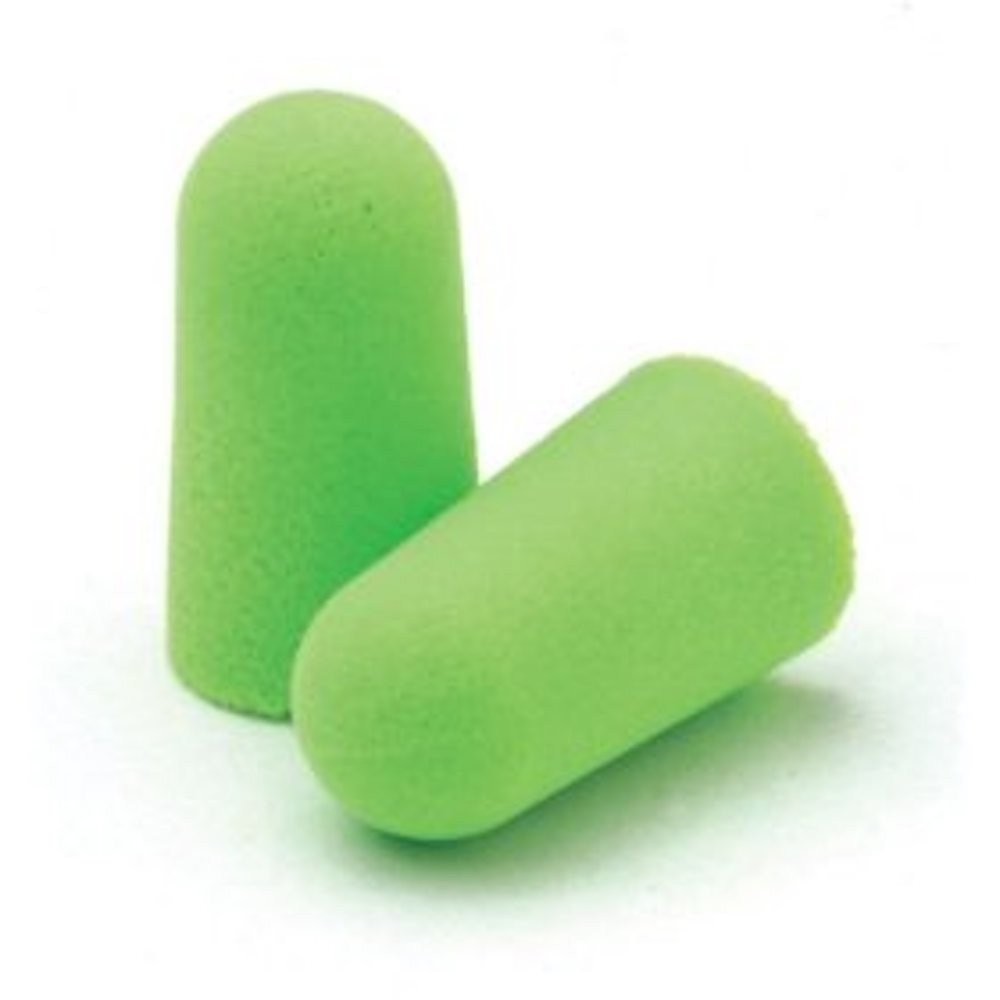
  • Foam earplugs are inexpensive, easy to carry and can block a lot of noise when they fit properly.
  • Reusable or high-fidelity earplugs lower the volume while keeping music and voices sounding more natural.
  • Custom earplugs are made to fit your ears, which can make them more comfortable if you attend loud events often.
  • Earmuffs cover the ears instead, making them a practical choice if you do not like wearing earplugs.

What to Do When Your Ears Ring After a Loud Event

Ringing or muffled hearing after a show is a sign that the sound was too intense for your ears. Even when symptoms fade, they are worth taking seriously. Your ears need a break from additional loud sound.

For mild symptoms after noise exposure, these steps can reduce further stress:

  • Move somewhere quiet and give your ears time away from loud surroundings.
  • Skip loud headphones, power tools and other unnecessary noise for the rest of the day.
  • Pay attention to whether the ringing, fullness or muffled hearing begins to improve.
  • Arrange a hearing evaluation if symptoms linger or repeatedly happen after loud events.

When Hearing Changes Should Be Checked

Some hearing changes after a loud event fade once your ears have had time away from the noise. Others are more persistent and deserve a closer look.

Ongoing ringing, buzzing or muffled hearing can be signs that your ears were affected by the exposure. You may also notice that speech sounds less clear or that certain voices are suddenly harder to understand. Hearing that does not return to your usual baseline should not be ignored.

A professional audiologist can measure whether your hearing has changed and identify which frequencies are affected. That information can help determine whether noise exposure has caused a measurable shift.

How North Jersey’s Summer Events Can Get Loud Fast

Summer in North Jersey can mean outdoor concerts, fireworks, street fairs and community celebrations packed into relatively busy spaces. Unlike a large open field, many local events take place around streets, storefronts, plazas and closely spaced buildings.

Those surroundings can change the way noise feels. Sound from speakers, crowds and fireworks may reflect off nearby buildings instead of simply traveling away. That can create pockets where an event sounds noticeably louder than it does a short distance away.

Crowded layouts can also make it harder to create space between yourself and the noise source. A speaker beside a vendor area or a fireworks viewing spot surrounded by buildings may leave fewer quiet directions for sound to escape.

It helps to notice the space around you when you arrive. If one area feels overwhelmingly loud, moving farther from reflective buildings, speakers or tightly packed crowds can reduce how much noise reaches your ears.

How to Tell When an Event Is Too Loud

You do not need a sound meter to realize a festival or celebration has crossed into uncomfortable territory. Your own experience can give you some useful warning signs.

If you have to raise your voice to talk with someone standing about an arm’s length away, the surrounding noise may be too loud. Ringing, buzzing or discomfort while the event is still happening are other signs that your ears are getting too much sound.

Pay attention to how the volume changes as you move through the event. A spot near the stage may feel manageable at first, then become overwhelming once the music starts. Fireworks or amplified announcements can create another sudden jump in volume.

Knowing those signs gives you a chance to respond before symptoms show up afterward. You can step away for a quieter break or put on hearing protection instead of waiting until your ears are already ringing.

Your Ears Are Always Listening, Even When You’re Not

A great night out shouldn’t cost you something you don’t notice losing right away. Our team at Audiology & Hearing Aid Solutions can check whether all those loud nights have caught up with you.

You don’t have to wait until something feels seriously wrong to get checked out. Our hearing clinics New Jersey include Clifton, Morristown & Pompton Plains at (973) 777-5335, in Mahwah & Paramus at (201) 375-9081, or at our Haskell office at (973) 777-5335.