

Understanding Your Hearing Test Chart and Results
Your audiologist goes over your results with you, but there’s a
By: admin | October 20, 2025
Most people schedule regular checkups for their teeth, eyes and overall health, but hearing often gets overlooked until there’s an obvious problem. You might assume that if you’re not struggling to hear conversations or missing important sounds, your hearing must be fine. But hearing changes can be so gradual that you adapt without noticing the shift, and by the time you recognize there’s an issue, you’ve already missed opportunities for early intervention. Regular hearing tests catch these subtle changes before they start affecting your daily communication, work performance or relationships.
Preventative hearing care isn’t just about protecting your ears. Research shows that untreated hearing loss can impact cognitive function, increase feelings of isolation and even affect your physical balance and safety. Getting your hearing checked regularly, even when everything seems normal, gives you a baseline to track changes over time and addresses small problems before they become bigger ones.
Knowing when to schedule a hearing test isn’t always obvious, especially because hearing loss often develops gradually. You might notice yourself asking people to repeat themselves more often, turning up the TV volume louder than others prefer or struggling to follow conversations in noisy environments. Difficulty hearing on the phone, missing doorbells or alarms, or having trouble understanding speech in restaurants or social gatherings are also common indicators. Even if these moments feel minor, they can signal that it’s time to have your hearing checked. Regular testing can catch changes before they start to affect your communication and overall quality of life.
Certain stages of life make hearing evaluations especially important. Children benefit from early testing to support speech and language development, school performance and social interactions. Adults may need routine checks around milestone ages, like entering your 40-50s, when age-related hearing changes can begin. Hearing tests are also recommended during life transitions like starting a new job, returning to school or noticing difficulties in social settings. Taking action at these times helps you stay proactive about your hearing health, identify changes early and make informed decisions about interventions if needed.
Hearing plays an important role in your daily life and overall health. When hearing loss goes unnoticed, it can lead to other health concerns.
Difficulty hearing can make it harder to join conversations or enjoy favorite activities. This may lead to feeling left out, changes in mood, trouble remembering things or even balance problems that increase the risk of falls.
Taking care of your hearing supports your well-being and keeps you connected with people and activities that matter to you. Even small changes in hearing can affect how you feel each day.
Before the actual hearing test begins, a lot of important work happens to make sure the evaluation is accurate and meaningful. The first step usually involves gathering detailed information about your hearing history and overall health. This includes noting any past ear infections, noise exposure, medications or family history of hearing loss. Sharing specific examples of situations where you struggle to hear, such as difficulty following conversations in restaurants or missing phone calls, helps your audiologist understand how hearing loss might be affecting your daily life.
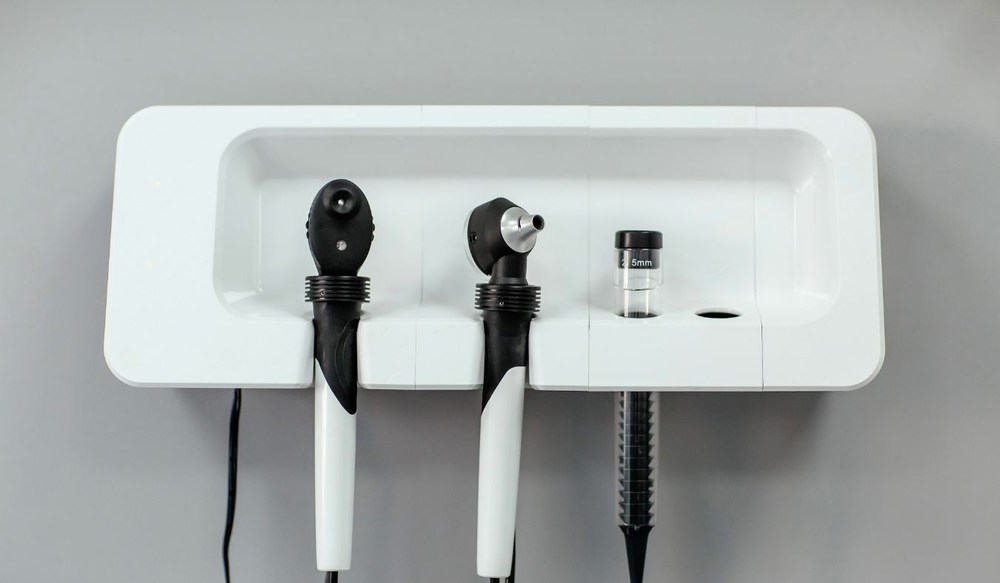
Next, your audiologist will examine your ears to check for things that could influence your hearing, such as wax buildup, fluid or structural issues. This examination ensures that any temporary conditions are identified and addressed before moving forward with testing. Discussing your lifestyle and communication needs is also essential, as it helps your audiologist tailor recommendations to fit your routines and personal goals. This thorough preparation creates a clear picture of your hearing health and lays the foundation for any testing or follow-up steps, making the process more effective and relevant to your needs.
Several types of hearing tests are used to evaluate different aspects of your hearing. Each one provides specific information that helps your audiologist understand how well you hear, how your ears function and what type of hearing loss you might have. Knowing what each test measures can make the process feel more straightforward and help you feel prepared.
Common hearing tests include:
Regular hearing checks give you a clear picture of how your hearing changes over time. During these visits, our team can compare your current results with previous tests to detect even subtle shifts in your hearing. Catching these changes early allows you to address potential issues before they affect your daily life, work or relationships. It also gives you a baseline measurement, making it easier to notice any sudden changes that might indicate an underlying health concern.
Early detection of hearing changes opens the door to timely management and intervention. This could include adjustments to hearing devices, strategies for clearer communication or medical referrals if necessary. Staying on top of your hearing health can reduce the mental strain of trying to compensate for sounds you’re missing, support your cognitive health and help you remain engaged in conversations, social events and professional activities.
Hearing health has a direct impact on physical well-being. When hearing begins to decline, the brain works harder to fill in missing sounds, which can lead to mental fatigue, tension headaches and difficulty concentrating. This added strain on the auditory system can make everyday tasks, like driving, crossing streets or responding to alarms, more challenging and potentially risky. Untreated hearing changes can also affect sleep quality, as the brain remains on higher alert to compensate for missed sounds throughout the day. Regular hearing care helps maintain these essential alert systems, supporting overall body function and reducing unnecessary physical stress.
Emotional well-being is closely tied to hearing clarity. When conversations become difficult to follow, it can cause frustration, embarrassment or anxiety, especially in social or professional settings. Missing parts of discussions may make someone feel excluded or misunderstood, which can build over time and affect self-esteem. Persistent hearing challenges can even contribute to depressive feelings or withdrawal from activities that were once enjoyable. Addressing hearing loss early and using appropriate strategies or devices allows the mind to rest more, reduces emotional strain and encourages engagement with experiences that support mental and emotional balance.
Social life is deeply affected by hearing ability. Difficulty hearing in group settings, at family gatherings or during casual conversations with friends can create a sense of isolation. Over time, this may lead to avoiding social activities or relying less on interpersonal interactions, which can weaken relationships and reduce overall life satisfaction. Maintaining good hearing allows for active participation in social environments, smoother communication with loved ones and confidence in public spaces.
When hearing loss occurs, hearing aids can help restore access to sounds you might be missing and improve clarity in everyday life. These devices amplify sound and are designed to match your unique hearing profile, making it easier to follow conversations, enjoy music and stay aware of environmental cues. Modern hearing aids are highly customizable, with digital technology that adjusts amplification for different frequencies and listening environments. This personalization helps ensure that sounds remain balanced and comfortable, rather than simply louder.
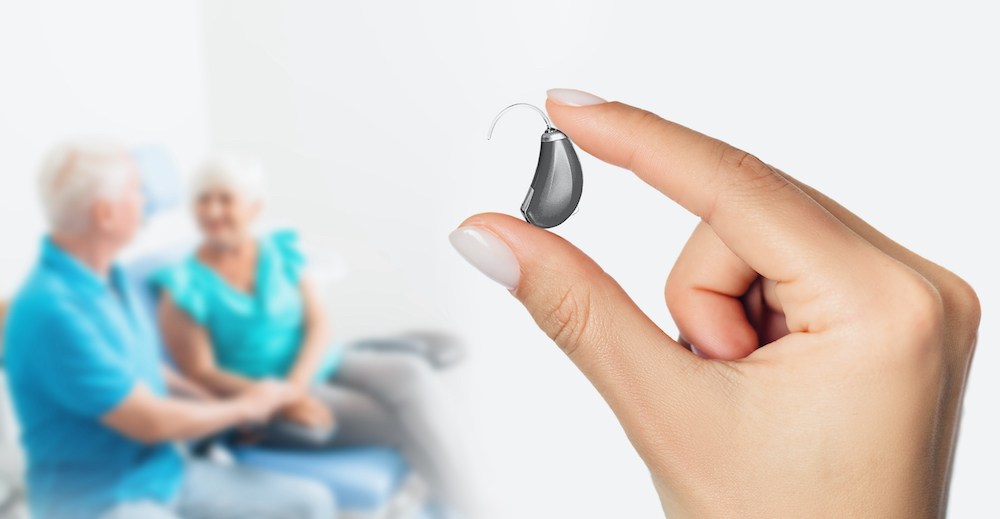
Hearing aids come in several main styles to suit individual needs and preferences. Behind-the-ear models rest comfortably behind the ear and connect to an earpiece in the ear canal, providing strong amplification and often including features like directional microphones and wireless connectivity. In-the-ear devices fit entirely inside the outer ear, offering a more discreet appearance while still providing robust sound processing. Completely-in-the-canal and invisible-in-the-canal styles sit deeper in the ear canal, making them nearly invisible while still delivering precise amplification for mild to moderate hearing loss.
Additional hearing aid options include specialized devices for specific environments, like receiver-in-canal models that reduce feedback and provide a natural listening experience, and devices with Bluetooth or wireless capabilities that connect directly to phones, TVs and other audio sources. Rechargeable models eliminate the need for frequent battery changes, while water-resistant devices allow for use in everyday activities without concern over moisture.
Regular hearing checks are an important part of maintaining your overall well-being. Just as you wouldn’t skip a dental or eye exam, keeping an eye on your hearing ensures you notice changes early and take action before they affect daily life. These appointments provide valuable insight into how your ears are functioning, allowing you to adjust or treat issues before they become more noticeable or disruptive. Staying proactive helps maintain clearer communication, supports mental sharpness and keeps your daily routines running smoothly.
Our team at Audiology & Hearing Aid Solutions is here to help you make hearing care a regular part of your health routine. Contact Audiology & Hearing Aid Solutions in New Jersey at one of our offices in Clifton, Haskell, Morristown and Pompton Plains at (973) 721-6520, or in Mahwah and Paramus at (201) 375-9081. Scheduling routine hearing tests with our specialists ensures you have the information and support needed to protect your hearing and stay engaged in the moments that matter most.
Tags: OAE tests, speech tests, tympanometry

Your audiologist goes over your results with you, but there’s a
By: admin | March 25, 2026
Most people schedule regular checkups for their teeth, eyes and overall
By: admin | October 20, 2025
Getting caught in the rain or sweating during a workout used to mean panic
By: admin | July 29, 2025