
Protecting Your Hearing at Fireworks Shows and Outdoor Events
Fireworks over the Passaic River, a summer night at a street festival in
By: admin | July 29, 2025
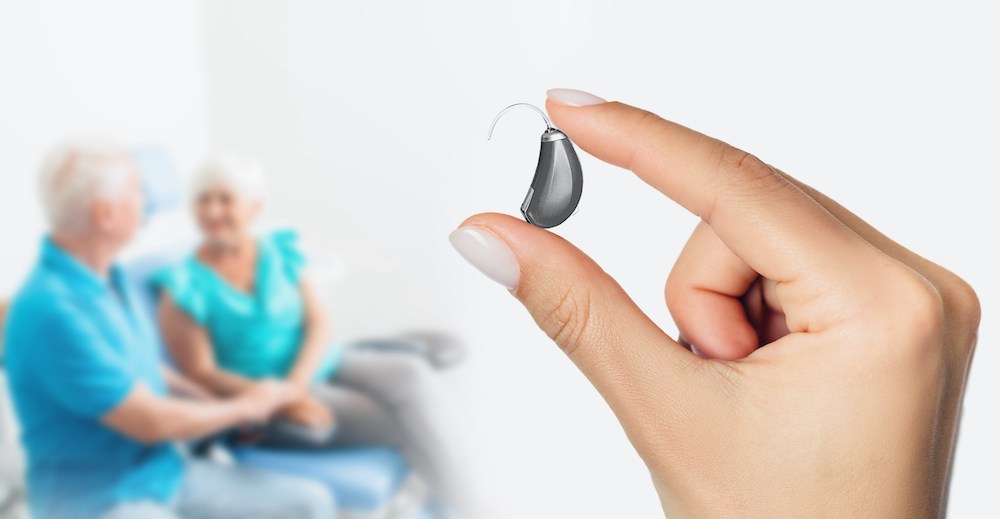
Getting caught in the rain or sweating during a workout used to mean panic time for hearing aid wearers. Now, many hearing aids can handle moisture much better than they used to, giving you more confidence during outdoor activities, exercise or just daily life when you might encounter unexpected moisture. This has been a game changer for people who love being active or just want to stop worrying about their hearing aids every time there’s a chance of getting wet. The freedom to live your life without constantly protecting your devices from light moisture makes a huge difference in how comfortable you feel wearing them.
But waterproof hearing aids aren’t automatically the right choice for everyone. Depending on your lifestyle, you might not need that level of protection. Some people do great with water-resistant models that can handle sweat and light rain, while others really benefit from more robust protection for active lifestyles or humid climates. Understanding what each type can and can’t handle helps you decide whether the extra protection is worth it for how you actually live your life.
Water-resistant hearing aids are built to handle small amounts of moisture, like sweat or light rain. These devices use special seals and coatings to help keep water out during everyday activities, making them a strong choice for those who spend time outdoors or in humid climates.
One benefit of water-resistant hearing aids is their ability to protect against accidents like unexpected rain or sweat from exercise. This protection allows you to go about your day with less concern about moisture.
Moisture is a leading cause of hearing aid repairs. Research shows that about 60 percent of repairs are related to water damage. Water-resistant hearing aids help shield your devices from sweat, sudden splashes and humid weather, which can prevent common issues like malfunctions during exercise or problems caused by rain. With these features, you can feel more confident wearing your hearing aids throughout the day, even in damp conditions.
Water-resistant designs also make it easier to keep your hearing aids on during a busy day without constantly worrying about the environment. Whether you are out for a walk on a muggy afternoon, spending time in the kitchen where steam can build up or simply dealing with unpredictable weather, these devices are built to handle real-life situations. They offer added peace of mind, letting you focus on conversations, activities and the people around you without second-guessing if your hearing aids can keep up.
Hearing aids work by taking in sound from the environment, making it clearer and louder and delivering it into your ear. Each device has a small microphone that picks up sounds around you and converts them into electrical signals. These signals are sent to a processor, which adjusts them based on your specific hearing needs. The processor amplifies the sounds you have trouble hearing while keeping others at a comfortable level.
Once the sound is processed, it is sent to a tiny speaker, or receiver, that delivers the amplified sound into your ear canal. A power source, usually a rechargeable or replaceable battery, keeps everything running. Many hearing aids also have small internal components that help reduce feedback and manage different listening environments automatically. Altogether, these parts work together to make everyday sounds clearer and speech easier to understand.
Moisture can have a significant impact on how well hearing aids perform and how long they last. When water or humidity gets inside a hearing aid, it can interfere with the delicate electronic components that process and amplify sound. Even small amounts of moisture can lead to problems like distorted sound, reduced volume or complete device failure. Over time, repeated exposure can cause corrosion on internal parts, making repairs more likely and sometimes shortening the overall life of the device.
Everyday situations can expose hearing aids to moisture without you even realizing it. Sweat during exercise, humid weather, steam from cooking or showering, and unexpected rain are all common sources. Moisture can also get trapped in small openings like microphone ports and battery compartments. Because hearing aids sit behind or inside the ear where sweat and humidity are often present, managing moisture is an important part of keeping them reliable and effective.
Comparing water-resistant and waterproof hearing aids comes down to understanding how much protection each type offers against moisture and how they handle exposure to water in daily life. Water-resistant hearing aids are designed to handle small amounts of moisture, like sweat, light rain or brief splashes. They have protective seals and coatings that help keep water out of sensitive electronic parts but are not built to withstand full immersion. This level of protection is typically enough for most daily activities where brief or accidental exposure might happen.
Waterproof hearing aids go a step further by being engineered to survive complete and sustained contact with water. They use advanced sealing methods and specialized materials to prevent water from getting inside, even during submersion. Waterproof hearing aids are less common because of the extra engineering involved, but they can be a good choice for people with active lifestyles or those who frequently find themselves in wet environments. The difference between these two types lies in how much water exposure they can handle without compromising performance or reliability.
Understanding IP ratings for hearing aids can help you know exactly how much protection they offer against moisture and dust. IP stands for Ingress Protection, and the rating is made up of two numbers. The first number indicates how well the device is sealed against solid particles like dust or dirt, while the second number shows its resistance to water. For example, a hearing aid with a rating of IP67 means it is fully protected against dust and can handle being submerged in water up to a certain depth for a limited time.
For hearing aids, a higher IP rating generally means greater durability in real-world conditions. This can be especially important if you live in a humid climate, exercise regularly or work in environments where moisture or dust is common. Knowing the IP rating helps you choose a device that suits your lifestyle and gives you confidence that it will keep working reliably. It also helps you understand the limits of that protection, so you can take the right precautions to avoid unnecessary damage.
Materials play a key part in protecting hearing aids from water. Many modern hearing aids use water-repellent coatings, like nano-coatings, to keep moisture from clinging to internal and external surfaces. These coatings are applied in extremely thin layers that don’t interfere with performance or comfort but create a barrier that causes water to bead and roll off instead of seeping in. Even if moisture does come into contact with the device, these coatings help prevent it from reaching sensitive components.
In addition to coatings, the outer shell of the hearing aid is often made from durable plastics or composite materials that resist moisture and humidity. These materials are shaped and sealed to reduce gaps where water could slip through. Inside the device, manufacturers may use water-tolerant circuit boards and secure the seams around microphones and speakers with specialized seals or gaskets. All of these material choices work together to create a device that can better handle daily exposure to sweat, rain and other forms of moisture.
Hearing aid designers use special seals, water-repellent coatings and carefully placed components to help protect the electronics inside. For example, microphones and battery doors may be positioned to reduce the chance of moisture getting in. Some devices use rubber gaskets or nano-coatings as extra shields against sweat or splashes. The shape of the device can also help by allowing water to roll off rather than collect around buttons or openings. These design choices work together to help you use your hearing aids with less worry about moisture.
Water-resistant hearing aids offer several benefits for those who want to stay active without constantly thinking about moisture. These devices help guard against sweat, light rain and humidity, which are common in many daily situations. You can walk, garden or exercise with less concern about damaging your hearing aids. Water-resistant models may also last longer because they are better protected from moisture over time, which can mean fewer repairs and more consistent performance.
Understanding the limitations of waterproof hearing aids is important for setting realistic expectations. Even devices labeled as waterproof often have specific conditions attached, like only withstanding shallow submersion for limited periods. For example, some models with high IP ratings can handle being briefly submerged in fresh water, but that doesn’t mean they are designed for regular swimming sessions, diving or use in hot tubs and saunas. Chlorine, salt water and heat can still damage internal components or seals over time, so wearers need to be cautious about when and where they wear them.
It’s also worth remembering that no hearing aid is completely impervious to moisture-related wear. Seals, gaskets and protective coatings can degrade with age and use, reducing effectiveness. Even the best-engineered waterproof models need proper care to stay reliable. That means regularly checking for damage, storing them in dry conditions and following manufacturer guidelines.
Regular cleaning helps your water-resistant hearing aids work well and last longer. Even though these devices can handle some moisture, daily care prevents problems caused by sweat, dust or normal wear. A simple cleaning routine also keeps your hearing aids functioning optimally, regardless of water exposure. Consider including the following into your maintenance plan:
Hearing aids today offer improved resistance to moisture, which means you don’t have to stop your activities at the first sign of sweat or a light drizzle. This progress lets you focus more on your day without the constant worry about protecting your devices from everyday moisture. Whether you’re exercising, running errands or enjoying time outside, you can feel more comfortable and confident knowing your hearing aids are built to handle these common situations.
If you’re considering your options or want to learn more about what kind of moisture protection fits your lifestyle, contact Audiology & Hearing Aid Solutions at one of our locations by calling Clifton, Haskell, Morristown and Pompton Plains, NJ at (973) 777-5335, or Mahwah and Paramus at (201) 375-9081. We can help you understand the differences between water-resistant and waterproof hearing aids and find the right match for your needs so you can enjoy your daily life without unnecessary worry.
Tags: benefits of hearing aids, hearing aid repair, hearing aid styles
Fireworks over the Passaic River, a summer night at a street festival in
By: admin | August 24, 2026
Not everyone who needs hearing aids spends most of their time sitting in a
By: admin | May 18, 2026

Your audiologist goes over your results with you, but there’s a
By: admin | March 25, 2026